Structural Advantages and Usage Benefits of Self-Priming Sewage Pumps
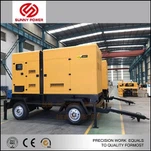
Self-priming sewage pumps have emerged as indispensable tools in various industries due to their unique structural features and significant usage advantages.
The structural advantages of self-priming sewage pumps are quite notable. Firstly, they are typically equipped with a specially designed impeller that can effectively handle fluids containing solid particles and fibrous substances without getting clogged. This impeller design ensures smooth and efficient fluid flow. Secondly, the pump casing is made of high-quality materials that offer excellent corrosion and abrasion resistance, enabling the pump to withstand harsh working environments. Additionally, the sealing system is often engineered to provide a reliable seal, preventing leakage and enhancing the pump's overall performance and durability.
In terms of usage benefits, self-priming sewage pumps stand out for several reasons. One of the key advantages is their self-priming capability. This feature eliminates the need for manual priming, saving time and effort during operation. They also boast a high pumping capacity, capable of handling large volumes of sewage and wastewater in a short period. Moreover, these pumps are relatively easy to install and maintain. Their simple structure and accessible components make routine maintenance and troubleshooting straightforward, reducing downtime and maintenance costs.
Another significant benefit is their adaptability to various working conditions. Whether in industrial wastewater treatment plants, municipal sewer systems, or construction sites, self-priming sewage pumps can perform reliably, handling different types and viscosities of fluids.
In conclusion, the structural advantages of self-priming sewage pumps, combined with their numerous usage benefits, make them a preferred choice in many applications where efficient and reliable sewage handling is crucial.