

Diesel Generator
Weifang Sunny Power Machinery Co., Ltd. is located in China Power Capital - Weifang City, owning Chinese leader and world famous diesel engine manufacturers.
Having professional and experienced workers, supported by strong technology and advanced equipments, we successfully formed strict and perfect production procedure from design, production, testing, to after-service, which guarantee the stable quality and technology innovation. We have been approved by ISO9001 and CE.
Why Choose Us
100% Satisfaction Guarantee: We're so confident you'll be happy with our services, we guarantee it.
Extensive Experience: Our team of professionals have been in the business for quite some time. Let us deliver solutions that work the first time!
Fair & Competitive Pricing: Our pricing structure is designed to make a modest profit so that we can continue to be a Hero another day.
-
 Low Noise Diesel GeneratorDiesel engine model: Cummins 6LTAA8.9-G2. Diesel engine power (KW): 220. Cylinder No.: 6. Alternator model: LY274KAdd to Inquiry
 -
 Tower Diesel GeneratorDiesel engine model: Weichai WP4D66E200. Diesel engine power (KW): 60. Cylinder No.: 4. Alternator model: TFW2-50Add to Inquiry
 -
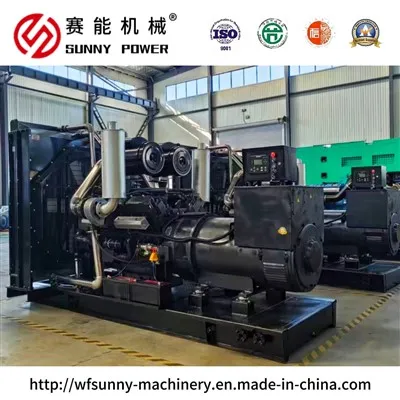 500KW Cummins Diesel Generator Set, Ultra-quiet Generator...Diesel generator sets driven by Cummins diesel engines have a rated power ranging from 20 to 500 kilowatts. Trailers and soundproof enclosures are optional. With excellent quality and reasonableAdd to Inquiry
 -
 Silent Type Diesel Generator SetDiesel engine model: Weichai WP6D167E200. Diesel engine power (KW): 150. Cylinder No.: 6. Alternator model: LY274GAdd to Inquiry
 -
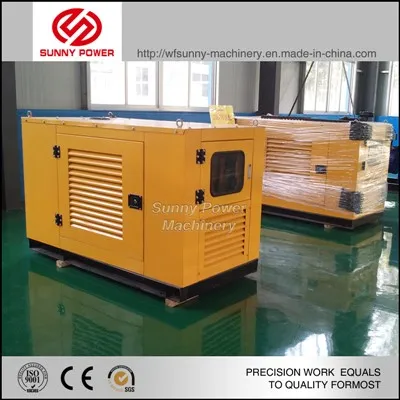 Heavy Duty Diesel Generator Powered 20-2000KW Containeriz...Diesel generator set powered by Weichai diesel engine,rated power 20-2000KW,trailer and sound proof case optional.High quality,reasonable prices.Cooeration brandsAdd to Inquiry
 -
 Heavy Duty Diesel Generator Powered 20-2000KW FactoryDiesel generator set powered by Weichai diesel engine,rated power 20-2000KW,trailer and sound proof case optional.High quality,reasonable prices.Cooeration brandsAdd to Inquiry
 -
 Low Noise Diesel Generator 600KW Driven By Cummins Diesel...Cummins diesel engine driven,diesel generator set,with sound proof case,600KW heavy duty diesel generator for mining use.Optional equipment: trailer,ATS/AMS,remote control.Add to Inquiry
 -
Distributor Of Diesel Generator Powered By Weichai Diesel...Diesel generator set powered by Weichai diesel engine,rated power 20-2000KW,trailer and sound proof case optional.High quality,reasonable prices.Add to Inquiry
-
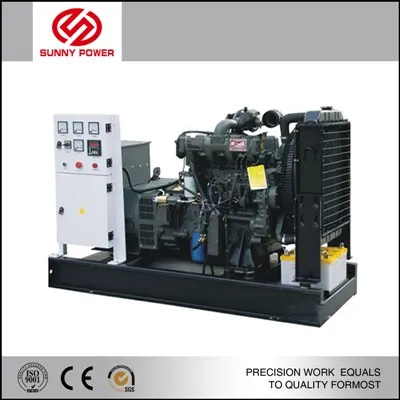 Weichai Diesel Generator SetWeichai diesel generator set is equipped with Weichai diesel engine as the power source, which has the characteristics of low fuel consumption, low emission and low noise.Add to Inquiry
 -
 Automatic Diesel Generator SetAutomated diesel generator sets are mainly developed and produced to deal with problems such as mains power recovery and operating failures during the unit's operation.Add to Inquiry
 -
 High Power Diesel GeneratorThe operation design of the high-power diesel generator produced by Weifang Sunnuy Machinery Co., Ltd. adopts a special ATS device and an automatic start device.Add to Inquiry
 -
 Diesel Generator SetWeifang Sunny Machinery Co., Ltd. is a manufacturer engaged in the research and development, design, production, and sales of generator sets, diesel generator sets, diesel engine water pumps,Add to Inquiry


Advantages of Diesel Generator
Low Maintenance
Compared to other options, diesel generators like those from PR Power require low maintenance. This is because diesel generators need fewer components to start. With a diesel generator, you don't have to worry about replacing spark plugs or rebuilding carburetors as with gasoline generators.
Efficiency
It’s vital to consider fuel consumption when purchasing a generator. Though diesel generators are more costly than alternatives, they consume less fuel for a similar task. This means you don't refuel a diesel generator more often, saving you money in the long run.
Excellent Power Output
Diesel generators are designed to handle larger power loads. They also last longer regarding power output. For this reason, diesel generators are ideal for areas with unreliable or no off-grid power backups.
Durability
Diesel generators are more durable compared to alternatives. These generators are robust and designed to withstand excessive use. Diesel generators also run cooler than natural gas, allowing them to last longer. Nevertheless, for a diesel generator to last long, you must care for and maintain it correctly.
Safety
Unlike diesel, gasoline generators require more fuel to run. This means you'll probably refuel a gasoline generator more than a diesel one. Besides regular refueling costing you more money, it exposes you to a highly flammable fuel. As a result, there are high chances of fire accidents.
Higher Resale Price
Investing in diesel generators gives you an upper hand when reselling. If you want to change or upgrade your diesel generator, ensure it’s in good working condition, and you might sell it at a higher price than you anticipated. Many people will pay more for a used diesel generator due to its prolonged life span.
Versatility
Besides durability and low maintenance, diesel generators are highly versatile. Their long running time and less fuel consumption enable them to work in many fields, including homes, companies, and off-grid projects. Many people depend on diesel generators to power buildings and tools.
What Is Diesel Generator
A diesel generator (DG) (also known as a diesel genset) is the combination of a diesel engine with an electric generator (often an alternator) to generate electrical energy. This is a specific case of engine generator. A diesel compression-ignition engine is usually designed to run on diesel fuel, but some types are adapted for other liquid fuels or natural gas (CNG).
Diesel generator size is crucial to minimize low load or power shortages. Sizing is complicated by the characteristics of modern electronics, specifically non-linear loads. In size ranges around 50 MW and above, an open cycle gas turbine is more efficient at full load than an array of diesel engines, and far more compact, with comparable capital costs; but for regular part-loading, even at these power levels, diesel arrays are sometimes preferred to open cycle gas turbines, due to their superior efficiencies.
A diesel generator is a great power backup that is efficient and useful for emergencies when there is a powered outage. Power is important, especially to industries, because one way or another, production does not need to stop for any reason. This may lead to immeasurable losses to the company, and machines must keep running to ensure everything is working well.
Diesel generators are versatile and reliable, making them common with many industrial applications. There are so many ways industries use diesel generators, and we would like to cover ten of the most common applications.
Construction
When taking on construction projects, it is important to the construction company and the client that the work is done in time and how it should be done. Many projects sometimes do not have an electrical infrastructure set up to use it for anything that may need power. It is, therefore, vital that you get alternative energy so that you can do the electrical part of the projects. Some of the things that may need a power supply on a construction site are welding, some installations, and many others. A diesel generator will provide the power needed and prevent delays so that the construction is completed easily and within the set deadline.
Operation of Power Plants
Power plants have many critical functions that need to operate every time so that they can function efficiently. When there is a power outage in a power plant, many functions stall, and the plant operators can’t get things working. A diesel generator helps to run functions like hydraulic units, pumps, run fans, and many other functions on a power plant. The generator iso restore power after a blackout so that consumers can continue enjoying power wherever they are. They also help to control spillway gates from flooding, especially when there is a grid blackout.
Running of Medical Equipment
The medical industry one of the most important places to have a diesel generator. Patients need constant care, and medical equipment needs to be operational all the time, day or night, and in case there is a power blackout, many patients will get affected. The diesel generator will ensure the medical tools are working efficiently and all the time so that doctors do not lose patients who need machinery to survive. They will run the lifesaving machines, oxygen pumps, and others to continue functioning well.
Keep Data Centers operational.
Data is important to many areas because most of the information helps to run several institutions. A power outage can lead to data loss and other negative processes, which will negatively affect many areas. A diesel generator will ensure that handling, processing, and storing sensitive data is possible to ensure the data center is funning continuously. Companies rely on data centers so that all the critical roles go on smoothly and they do not lose any important information, which may lead to losses.
Manufacturing Companies and Plants
Manufacturing companies and processing plants stall when there is a power blackout, and the machines keep running for production to continue. Diesel generators come in to back up the equipment so that operations can continue. This is especially vital for plants that manufacture perishable goods of those that use perishable ingredients to make their products. The power loss can bring losses to a manufacturing company because most of the ingredients can go bad.
Mining
Mining industries need heavy equipment and other necessary tools to work so that they can be successful. Most mining locations are off the grid, and there is the power to use when they need lights and run their equipment. Therefore they rely on diesel generators to help run drilling machinery, excavators, conveyor belts, cranes, lights, and many more. No matter what they are mining, it is important to meet the needs of any mining industry.
Telecommunication Towers
Millions of people rely on telecom towers to ensure they have signals so that communication is possible. If a telecom tower is down because of a power outage, the whole area will be without a signal, and it will be possible to communicate. A diesel generator will ensure that you can communicate every time you need to whether there is a power blackout or not. This will help emergency responders and other critical missions to keep in touch.
Commercial Operations
Any commercial company needs to keep their equipment going so that all the operations go on smoothly. A diesel generator will keep the AC, lights, heater, computers, security systems, and other equipment running. This way, you will keep your regular operations going, and you will not suffer losses when operations stop in case of a power blackout. Production will not have to stop if there is a power outage in your area.
Hotels and restaurants
Major hotels and restaurants rely on power to run most of the equipment like ACs, heaters, kitchen appliances, and many others. A diesel generator ensures your customers have all they need to ensure they have a pleasant time in your hotel. All the systems will run properly, and you will not suffer losses because of a power outage.
Commercial real estate
If you are in the project management industry, you know how important it is for your customers and tenant to have power every time they need it. A diesel generator will act as a backup making the property of value and ensuring your tenants are happy, and this will lead to profits in the long run. The backup also ensures that systems like security systems and others are functioning efficiently to keep the property safer.
There Are a Few Important Factors to Consider When Choosing a Diesel Generator


Portable Generator vs. Standby
You can choose between a Standby Generator and a Portable Generator based on the layout of your property and your backup needs. Despite the fact that both of these generators are dependable power sources, a standby generator must be installed, whilst a portable generator can be stored conveniently and only used when necessary.
Right capacity for the application
Making sure you buy the correct sized diesel generator set that can manage the power requirements demands in the event of a power outage is one of the most crucial elements to take into consideration when choosing a generator. It can mean the difference between having restricted power and suffering an impact on your business operations or being able to keep all important machinery and equipment working.
Large voltage and frequency dips can also happen when starting motors or transformers if the generator set is not sized properly. The motor or motor starter may be less susceptible to voltage and frequency dips than other loads connected to the generator output, which can lead to issues.
Modular capability
It’s important to inquire with the equipment manufacturer about the steps that can be taken to set up a modular power plant even if you just have one unit at first. The modular capability has a number of additional advantages.
First off, by setting the remaining units to increase their output in order to maintain the same power output, the failure of a single unit is reduced, improving equipment reliability. Second, because it is optional to shut down the complete power distribution during necessary maintenance procedures, the cost and duration of service intervals are decreased.
Control systems and management
A range of features should be available in the ideal control system. For instance, the machine may be remotely started and programmed, alerts about low fuel and other performance difficulties might be displayed, and a wide range of analysis data could be delivered. This increases the power plant's efficiency and offers a helpful overview of the application process.
Power Management systems are now included in many generators. They are perfectly suited for rental applications because of their plug-and-play design, which enables quick and simple implementation.
Fuel efficiency and autonomy
The fuel consumption of modern mobile generators is significantly lower than it was five years ago because of a variety of design changes and energy efficiency advancements. The market has grown significantly as a result of the newer technology's ability to operate more efficiently and for longer periods of time.
But not every generator is the same, and fuel can be pricey. Therefore, it is advisable to obtain a fuel consumption forecast from two or three manufacturers before making an investment.
Physical size and transportation
Determining whether a unit can be moved or loaded onto a vehicle, as well as looking for features like lifting eyes and forklift slots, pay off. For a smaller footprint and easier access when employing numerous generators, it's also important to examine if the units can be stacked on top of one another. These elements have an impact on overall operational costs and initiatives to cut carbon costs.
Maintenance Requirements
Diesel generators require routine upkeep and maintenance much like any other piece of gear. This will not only need more time from you, but it can also necessitate some more costs. Make sure you are well aware of the Diesel generator maintenance requirements before you purchase one.
Age of the Generator
Naturally, older generators may need more maintenance or have a shorter lifespan than brand-new ones. However, you should also consider the previous use of the generator. An older generator that has hardly been used is more likely to have minor repairs than a relatively new generator that has been in constant use
Safety Concerns
Noise and exhaust emissions are two potential safety issues with diesel-powered generators. Although exhaust is far less of an issue than in previous years, diesel generator pollutants are nonetheless dangerous to breathe for extended periods of time. Additionally, the motor has an uncomfortable loudness range. Make sure to give your generator a suitable enclosure to keep the noise and pollutants substantially confined in order to battle both problems.
Manufacturer history and reputation
There are several multinational firms that manufacture generators today, some of which have high customer satisfaction ratings and reliable product delivery, while others have had very poor performance over the past five years or more.
A diesel generator is made up of nine important components these are:
Diesel Engine
A diesel engine is no different to the one you’d find inside your car, a truck or any other large vehicle. This is the main source of mechanical energy and it's important the size of the engine if you are looking to hire a diesel generator, the bigger source you have the more power you are going to be able to produce.
Alternator
This component is responsible for generating the power output. An alternator is made up of many complex components and one of these crucial components is the rotor.
This rotor is a shaft that rotates from mechanical energy driven by the diesel engine with carefully placed fixed magnets that creates a magnetic field. This is where we begin to see the concept of electromagnetic.
The magnetic field created constantly rotates around another super important part of the alternator: the stator. We don’t want to get too scientific here so to sum it up easily, if an electrical conductor remains stationary and you have a magnetic field that moves around it, an electric current will be induced.
Fuel System
The fuel system is the supply for the engine with a pipe that connects directly to the engine. This will help kickstart the whole operation, the size of your fuel system will dictate how long your diesel generator will be active.
Your fuel system may be smaller if you are planning to use a generator inside the housing or if you are using portable units. Larger fuel systems may be found for extensive permanently fixed use.
The inside parts of the fuel system make up a lot of pipework to get the fuel to the engine correctly. This is similar to ones you'd find inside most vehicles e.g. a fuel filter, a ventilation pipe and a valve for the fuel tank to prevent any unwanted overpressure.
There's also an overflow connection that is to ensure that if your tank is overfilled, the overfilled flow will be channelled away and won't be splashed across your floor surface, the surface of the engine or the alternator we previously spoke about.
The Voltage Regulator
Quite possibly the most complex component when it comes to the diesel generator. The Voltage Regulator helps regulate the voltage output. There are a lot of details when it comes to the voltage regulator that we can't explain in one section so we'll break it down for you.
Without this component in place, the voltage and the amperage of the current AC running would vary according to what speed your diesel engine is running at.
As we live in a modern time we rely heavily on a very steady power supply and that requires something to level it out. In simple terms, the voltage regulator makes sure our power supply stays steady and we can handle the power.
Cooling & Exhaust System
These two components are key and unlike the voltage regulator, there are a lot easier to understand! A cooling system helps prevent your diesel generator from overheating.
It does this by releasing a coolant in the generator which counteracts any additional heat generated by the engine. The coolant takes all the heat through a heat exchanger and begins to get rid of it outside of the generator.
Again like your car, the exhaust system takes any gas created by the diesel engine and goes through a piping system and exhausts them out the generator.
Lubrication System
The Lubrication System attaches to the diesel engine and this is handled by an oil pump which pumps oil through to make sure that all the parts work smoothly when on and don't needlessly grind against each other, without this system in place your engine would surely break down.
Battery Charger
Every diesel engine needs a battery charger to help kick-start it into action. This small motor will require a small battery which needs to be charged in order to work. This battery will help it keep full of charge and work nicely.
Control Panel
You will operate your diesel generator from here. You’ll find a vast range of controls that will allow you to operate certain things or check on certain parts to see if it's working okay.
Main Assembly Frame
Your generation will need to be contained and the main assembly frame component is exactly what is needed. It helps keep everything together to make it work nicely. Your frame can be an open design or closed depending on your setting.
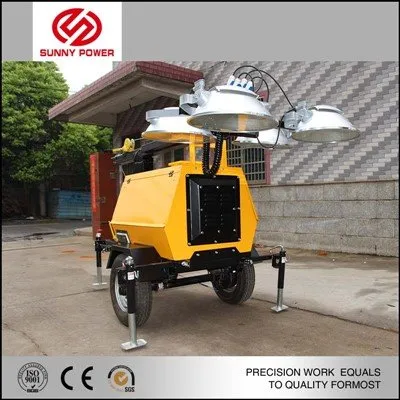
1.First, air is propelled into the generator until it is compressed;
2.Subsequently, diesel is injected;
3.The combination of these two processes, the compression of the air and the subsequent injection of the fuel, will contribute to generate the (intense) heat that triggers the fuel to ignite.
4.The combustion of the diesel starts the generator, making the central shaft move, and transforming the mechanical energy into electrical power, with the help of the alternator;
5.Thus, the generator starts producing the necessary electrical energy to be distributed according to the needs of the equipment connected to it or the place/space it will supply.
7 Important Steps for Diesel Generator Maintenance
Routine General Inspection
The exhaust system, fuel system, DC electrical system, and engine must all be closely monitored during the operation of the diesel generator for any leakage that could result in dangerous situations. Proper maintenance, as with any internal combustion engine, is critical. Diesel Genset is no different, and the most critical maintenance is oil changes every 500 hours of operation to ensure a long and trouble-free life, but some applications may demand shorter servicing times, which is why after-sales services must be excellent. If possible, inspect every two weeks, or once a month at the very least, for better diesel generator maintenance. Regular inspections are also required for the alternator, controllers, AVR, and full sensor system, as well as wiring, harnesses for integrity.
Lubrication Service
Using a dipstick, check the engine oil while shutting down the generator at regular intervals. Allow the oil in the top areas of the engine to drain back into the crankcase, and follow the API oil classification and viscosity requirements provided by the engine manufacturer. Add the same grade and brand of oil to keep the oil level as close to the full mark on the dipstick as possible.
Oil and filters must be replaced at predetermined intervals. Check with the engine manufacturer for instructions on how to drain the oil and replace the oil filter, as well as how to properly dispose of them to avoid environmental damage or liability.
Cooling System
During shutdown times, check the coolant level at the set interval. After allowing the engine to cool, remove the radiator cap and, if necessary, add coolant until the level is about 3/4 in. Also, keep an eye on your coolant filters and replace them as needed. A balanced coolant mixture of water, antifreeze, and coolant additives is required for heavy-duty diesel engines. Examine the radiator’s exterior for obstructions, then remove any debris or foreign material with a soft brush or cloth, being careful not to damage the fins. Radiator flushing is also an important part of diesel generator maintenance to minimize overheating and excessive engine temperatures. If low-pressure compressed air or a stream of water in the opposite direction of typical airflow are available, use them.to clean the radiator.
Fuel System
Within a year, diesel generators is susceptible to contamination and corrosion, thus regular generator set exercise is strongly recommended to burn up stored fuel before it declines. Because of the water vapour that builds and condenses in the fuel tank, the fuel filters should be drained at the appropriate intervals.
If the gasoline is not utilised and replaced in three to six months, regular testing and fuel cleaning may be required. A routine general inspection should involve checking the coolant level, oil level, fuel system, and starting system as part of preventive maintenance. Regularly inspect the charge-air cooler piping and hoses for leaks, holes, cracks, dirt, and debris that may be blocking the fins or loose connections.
While the engine retains its mechanical properties, it is susceptible to issues with diesel fuel quality. The chemical make-up of diesel fuel has altered in recent years; at low or high temperatures, a certain proportion of biodiesel releases contaminants, while at warm temperatures, a certain percentage of biodiesel mixed with water (condensation) might be a breeding ground for bacteria. Furthermore, reducing Sulphur diminishes lubrication, which eventually causes the fuel-injection pumps to become clogged.
Furthermore, when acquiring a genset, it is crucial to be aware that a variety of optional accessories are available to extend maintenance intervals and guarantee that the genset continues to provide reliable power throughout its life.
Testing Batteries
Standby power system failures are frequently caused by weak or undercharged starter batteries. The battery must be kept completely charged and well-maintained to minimise diminishing, with frequent testing and inspection to determine the battery's current status and avoid any generator start-up issues. They must also be cleaned and the battery's specific gravity and electrolyte levels must be checked on a regular basis.
Testing batteries: Measuring the output voltage of the batteries is insufficient to determine their ability to provide adequate starting power. Because batteries' intrinsic resistance to current flow increases as they age, the only correct way to determine terminal voltage is under load. This suggestive test is conducted automatically on some generators each time the generator is started. Use a manual battery load tester on other generator sets to check the condition of each starting battery.
Cleaning the batteries: Wipe them off with a moist cloth anytime dirt appears to be excessive. Remove the battery cables and wash the terminals with a solution of baking soda and water (14 pound baking soda to 1 quart water) if corrosion is present around the terminals. Make sure the solution doesn't get into the battery cells, and after you're done, flush the batteries with clean water. Apply a little coating of petroleum jelly to the terminals after reinstalling the connections.
Checking the electrolyte level in open-cell lead-acid batteries: Check the electrolyte level at least every 200 hours of operation in open-cell lead-acid batteries. Fill the battery cells with distilled water to the bottom of the filler neck if they are low. When the generator is not in use, always unplug the batteries.
Routine diesel generator maintenance exercise
Regular exercise keeps engine parts lubricated and prevents oxidation of electrical contacts, uses up gasoline before it degrades, and aids in engine starting reliability. Engine exercise should be performed at least once a month for at least 30 minutes with the engine loaded to one-third of the nameplate rating.
Keep your Diesel Generator Clean
When the engine is nice and clean, oil drops and other faults are easy to identify and fix. Hoses and belts can be visually inspected to ensure that they are in good working order. Checking your equipment on a regular basis can prevent wasps and other annoyances from nesting in it. The more a generator is utilized and relied on, the more maintenance it requires. A generator set that is infrequently utilized, on the other hand, may not require as much attention.
Our Factory
Weifang Sunny Power Machinery Co., Ltd. is located in China Power Capital - Weifang City, owning Chinese leader and world famous diesel engine manufacturers.
Having professional and experienced workers, supported by strong technology and advanced equipments, we successfully formed strict and perfect production procedure from design, production, testing, to after-service, which guarantee the stable quality and technology innovation. We have been approved by ISO9001 and CE.
FAQ
Q: What is a downside of using diesel generators?
Q: Is a diesel generator better than a gas generator?
Q: Can I run my house on a diesel generator?
Q: What is the life expectancy of a diesel generator?
Average Diesel Generator Life Expectancy Based on Usage
On average, diesel generators last from 10,000 to 30,000 hours of use. Usually, this equates to about 20-25 years of use.
Q: What size diesel generator would you need to run a house?
A generator that can provide between 5,000 and 8,000 watts would be enough to power a typical house. With this generator size, homeowners can expect to power essential appliances such as the air conditioner, sump pump, refrigerator, laptop, TV, and light bulbs.
Q: Why are diesel generators so expensive?
Q: Why don t they make small diesel generators?
Q: Do diesel generators need to rest?
Q: How many hours is a lot for a diesel generator?
Diesel generators can last for at least 15,000 hours to a maximum of 50,000 hours before needing servicing. Ultimately the life expectancy of any individual generator will depend on factors such as generator sizing and preventive maintenance practices.
Q: Can a diesel generator run 24 hours a day?
Q: How often should you change oil in a diesel generator?
Q: What are the negative effects of diesel generators?
Q: What are the dangers of diesel generators?
Q: What happens when you run a diesel generator at no load?
The oil burns and oil consumption increases. Due to the poorly sealing piston rings, unburned fuel contaminates the lubricating oil, as does condensed water and residue, which cause a destructive acid build up.
Q: Can you fill a diesel generator while it's running?
Q: How long can a diesel generator run continuously in a day?
Q: What is the life expectancy of a diesel generator?
Average Diesel Generator Life Expectancy Based on Usage
On average, diesel generators last from 10,000 to 30,000 hours of use. Usually, this equates to about 20-25 years of use.
Q: Does Generac make diesel generators?
Q: Can you plug appliances directly into a generator?
Q: What will replace diesel generators?
As one of the leading diesel generator manufacturers in China, we warmly welcome you to buy discount diesel generator made in China here from our factory. All machinery are with high quality and low price. For quotation, contact us now.
excavator driving submersible pump, diesel dc generator marine, Perkins marine diesel generator