Brief introduction: Self-Priming Sewage Pump: Structural Features
The self-priming sewage pump is an essential piece of equipment in various industries, playing a crucial role in handling wastewater and contaminated fluids. This article will delve into its structural features, applicable working area, advantages, and important precautions.
Structural Features
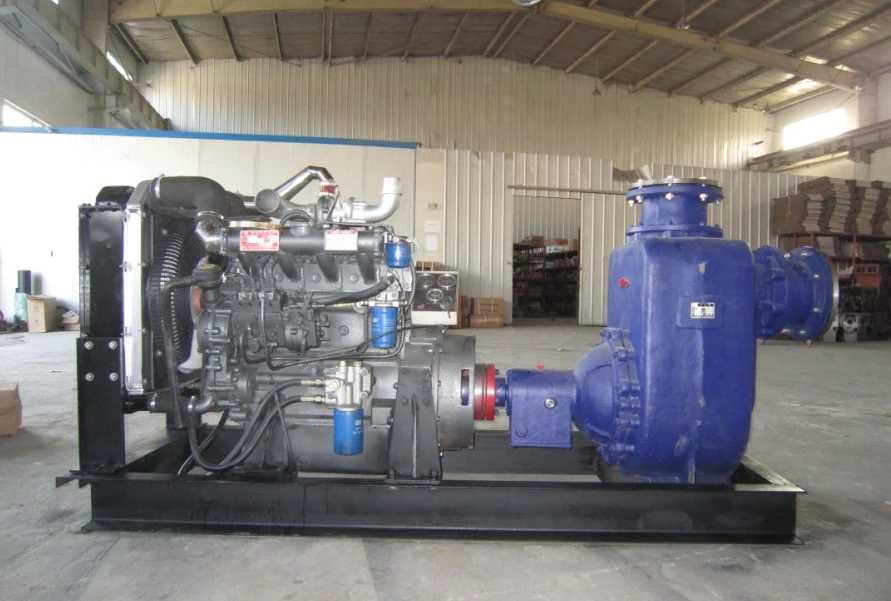
The self-priming sewage pump typically consists of several key components. Pump casing is built by cast iron or stainless steel to withstand harsh environments and resist corrosion and abrasion. The impeller, usually designed with a special shape normally semi-open, ensures efficient fluid transfer even when dealing with substances containing solid particles (no more than 76mm in diameter) and fibrous materials. The shaft is made of 45# steel or stainless steel, precision-engineered for strength and stability. The sealing mechanism, commonly adapted with mechanical seals, effectively prevents leakage and enhances the pump's overall performance.
Applicable Working Conditions
This type of pump is suitable for a wide range of working conditions. It is ideal for wastewater treatment plants, handling sewage with various impurities and contaminants. In construction sites, it can deal with the drainage of muddy water and debris. Industrial facilities that produce wastewater with solid particles also rely on self-priming sewage pumps for efficient removal and transportation.
Usage Advantages
One of the significant advantages of the self-priming sewage pump is its ability to self-prime, eliminating the need for manual priming and saving time and effort. It has a strong pumping capacity, capable of handling large volumes of wastewater and dealing with high-viscosity fluids. The pump is also relatively easy to install and maintain, reducing downtime and operational costs.