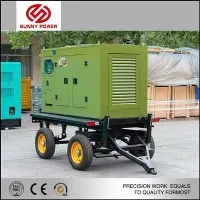
Whether it is engineering construction or construction site construction, fire protection needs to be taken into consideration to avoid unnecessary losses caused by fire. In the entire fire protection system, the fire pump is a very important facility and equipment. How should we choose a fire pump when installing a fire protection system?
1. The selection and application of the pump body should comply with the relevant regulations:
First, the performance of the water pump should match the flow and pressure of the fire water supply system, and the power of the pump body driver should meet the requirements of any point on the flow head performance curve. Secondly, the material and sealing method of the pump shaft should meet the requirements of the water pump when running at low flow. When the outflow is 150% of the design flow, the outlet pressure cannot be lower than 65% of the design. Thirdly, if you choose a motor-driven water pump, you should choose dry installation; if you choose a diesel engine drive, you should choose a compression ignition diesel engine, and the power of the diesel engine also needs to verify the effects of altitude and temperature.
2. The main material and water absorption of the pump body must comply with relevant regulations
Generally speaking, we require the outer shell of the water pump to be ductile iron and the impeller to be bronze or stainless steel. Fire pumps should choose self-priming water suction. If water is sucked directly from the pipe network, a backflow preventer with an air partition function needs to be installed on the outlet pipe; if there is no suction well, a vortex preventer needs to be installed at the suction port.
3. The suction pipe, outlet pipe, and valve of the centrifugal water pump must comply with relevant regulations
First, there should be no less than two suction pipes. When one of them fails, the remaining pipes can ensure normal operation. Secondly, the outlet pipe should be equipped with check valves, rising stem gate valves, and other devices. Thirdly, when butterfly valves are selected for both the suction pipe and the outlet pipe, they must have self-locking devices and electric valves must be installed when the pipe diameter is greater than DN300.